对话
知らずにたくさん食べてない?大根を食べ過ぎてはいけない人の特徴【管理栄養士による解説】_我的网站

A |
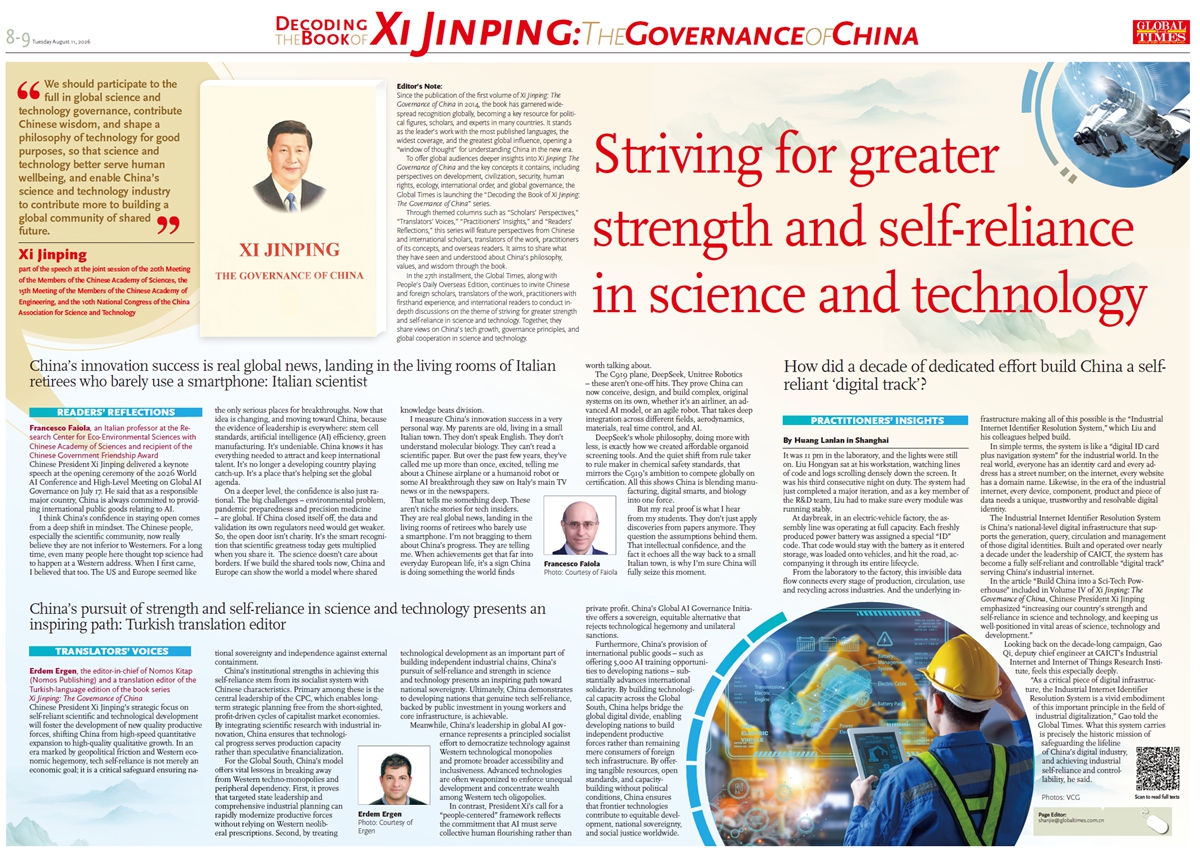
Editor's Note:
Ahead of the opening of the 2026 World AI Conference and High-Level Meeting on Global AI Governance, Chinese AI start-up Moonshot AI released its Kimi K3 large language model. As the world's largest open-source model by parameter count to date, this launch marks a significant step forward in the development of China's artificial intelligence models.
From the C919 airliner soaring into the skies to Unitree's humanoid robots stealing the show; from DeepSeek pushing the AI frontier to Moonshot AI's landmark unveiling of Kimi K3 - China's wave of homegrown innovations has dominated global headlines in recent years, delivering a steady stream of breakthroughs.
At a meeting in Beijing that brought together the national science and technology award conference, the general assemblies of the members of the Chinese Academy of Sciences (CAS) and the Chinese Academy of Engineering (CAE), and the 11th national congress of the China Association for Science and Technology in July, Chinese President Xi Jinping, also general secretary of the Communist Party of China (CPC) Central Committee and chairman of the Central Military Commission, stressed that the 15th Five-Year Plan period (2026-2030) is a critical phase for tackling tough challenges in building up the country's strength in science and technology.
"We must seize the historic opportunity, rise to the challenges of the times, accelerate efforts to achieve high-level self-reliance and strength in science and technology, and make steady progress toward the 2035 goal of becoming a leading country in science and technology," he said.
In the article "Strive for Greater Strength and Self-Reliance in Science and Technology" included in the fourth volume of Xi Jinping: The Governance of China, Xi pointed out, "Through years of endeavor, our country's overall strength in science and technology has improved substantially. We therefore have a solid foundation, and are fully confident in our ability to seize the opportunities offered by the new revolution in science, technology and industry to achieve greater results." The article also mentioned that "We should participate to the full in global science and technology governance, contribute Chinese wisdom, and shape a philosophy of technology for good purposes, so that science and technology better serve human wellbeing, and enable China's science and technology industry to contribute more to building a global community of shared future."
In the 27th installment of the special series "Decoding the Book Xi Jinping: The Governance of China," the Global Times, along with the People's Daily Overseas Edition, continues to invite Chinese and foreign scholars, translators of Xi's works, practitioners with firsthand experience, and international readers to focus on the theme of striving for greater strength and self-reliance in science and technology. Together, they share views on China's tech growth, governance principles, and global cooperation in science and technology.
Here are the stories:
1. Readers’ Reflections: China’s innovation success is real global news, landing in the living rooms of Italian retirees who barely use a smartphone: Italian scientist
2. Practitioners' Insights: How did a decade of dedicated effort build China a self-reliant 'digital track'?
3. Translators’ Voices: China's pursuit of strength and self-reliance in science and technology presents an inspiring path
4. Scholars’ Perspectives: National support, optimized evaluation allow young talent to pursue long-term breakthroughs: researcher
。 今の季節野菜の一つである大根。旬だからこそ安く購入でき、日持ちもし、煮物やサラダ、大根おろしなどのさまざまな料理に活用できる大根は、ついついたくさん食べてしまう野菜ではないでしょうか。そんな大根の食べ過ぎには注意しなければならない人がいることを、皆さんはご存じですか?今回は、そんな人の特徴を管理栄養士が解説します。〈画像〉知らずにたくさん食べてない?大根を食べ過ぎてはいけない人の特徴 ■大根に含まれる栄養素 大根はアブラナ科の野菜に属し、生100g15kcalと低カロリーで水分を多く含み、食物繊維やカリウム、ビタミンCなどを含む野菜です。■■大根100gあたりに含まれる主な栄養素 栄養素 含有量 エネルギー 15kcal 水分 94.6g カリウム 230mg カルシウム 23mg 葉酸 33μg ビタミンC 11mg 食物繊維総量 1.3g ■どんな人が大根を食べ過ぎてはいけないの? ■■胃腸が弱い人や弱っている人 食物繊維と、大根(アブラナ科の野菜)の辛み成分のイソチオシアネートなどは、過剰に摂取すると胃や腸を過度に刺激し、消化不良を起こし胃や腸の痛み、下痢などを引き起こす恐れがあります。

B | ■■甲状腺の疾患がある人 大根(アブラナ科の野菜)に含まれるグルコシノレート(チオグルコシド)は、ヨウ素が不足してる状態で過剰に摂取すると、甲状腺機能の低下を引き起こす可能性があります。■■腎機能が低下している人や腎臓の疾患がある人 腎機能が低下していると、体内のカリウムが体外へ排出されにくくなり、高カリウム血症を引き起こすリスクが高まります。体内のカリウムが体外へ排出されにくくなり、高カリウム血症を引き起こすリスクが高まります。■食べ方と目安量 ■■胃腸が弱い人や甲状腺の疾患がある人 イソチオシアネートやグルコシノレート(チオグルコシド)は、特にすりおろし大根などの生の状態で豊富に含まれるため、煮物やスープにして食べることをおすすめします。

C | ■■腎機能が低下している人 カリウムは水溶性ミネラルで水に溶けやすい性質をもつため、大根を茹でたり煮たりし(煮汁にはカリウムが溶け出しているため飲まない)、生の場合は細かく切って流水でしばらくさらしましょう。■■目安量は100~150g/日 野菜の目標量は350g/日です。

D | 取り入れやすいからといって大根ばかり食べるのではなく、さまざまな野菜の栄養素を摂ることが大切です。大根の目安量は100~150g/日程度にしましょう。■まとめ まず自分の体調や状態を把握し、今の自分に合わせた上手な調理方法を活用しながら、おいしく大根料理を召し上がってくださいね。

E | 参考文献 1:文部科学省 日本食品標準成分表(八訂)増補2023年 野菜類/(だいこん類)/だいこん/根/皮なし/生 2:アブラナ科野菜(アブラナ科)の成分であるアリルイソチオシアネートによるマウスの消化管運動の調節:TRPA1非依存性効果の証拠 ラファエレ・カパッソ、ガブリエラ・アビエッロ、バルバラ・ロマーノ、フランチェスカ・ボレッリ、ルチアーノ・デ・ペトロチェリス、ヴィンチェンツォ・ディ・マルツォ、アンジェロ・A・イッツォ 3:ラットにおけるヨウ素摂取量の変化に伴う大根(Raphanus sativus Linn.)の甲状腺機能への影響 アマール・K・チャンドラ 、 サンジュクタ・ ムコパディアイディシャリ・ゴーシュ スムリティラタン・トリパティ 4:甲状腺がんにおける食事性ヨウ素とアブラナ科野菜の役割:ニューカレドニアにおける全国規模の症例対照研究 テレーズ・チュオン、ドミニク・バロン=デュブルデュー、ヤニック・ルジェ、パスカル・ゲネル 5:公益財団法人長寿科学振興財団 カリウムの働きと1日の摂取量 6:厚生労働省、e-ヘルスネット 野菜1日350gで健康増進 文/栄養花子(管理栄養士)。

F |
Current article:http://fnr.recuigoutoubaozukai.pics/list_5ox9/rs1.html
Published on:04:32:15